
Memorabilia

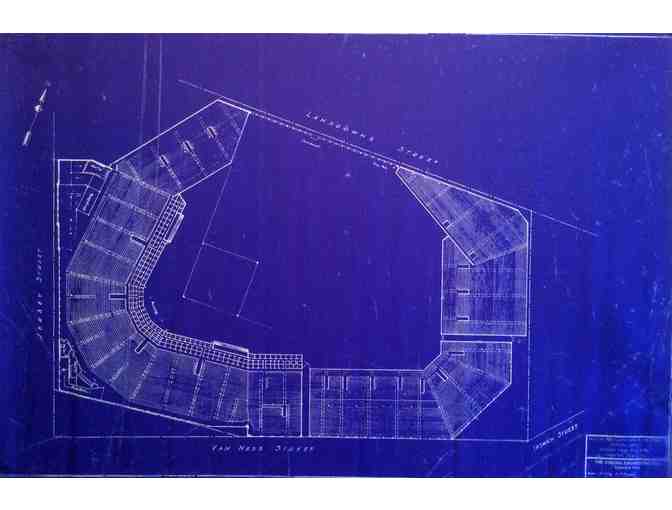
Blueprint of the 1934 Renovation of Fenway Park
- Item Number
- 140
- Estimated Value
- Priceless
- Sold
- 220 USD to turtle15
- Number of Bids
- 24 - Bid History
Item Description
Own a piece of Red Sox history with this framed, 36" wide by 24" tall blueprint from the landmark 1934 renovation of Fenway Park.
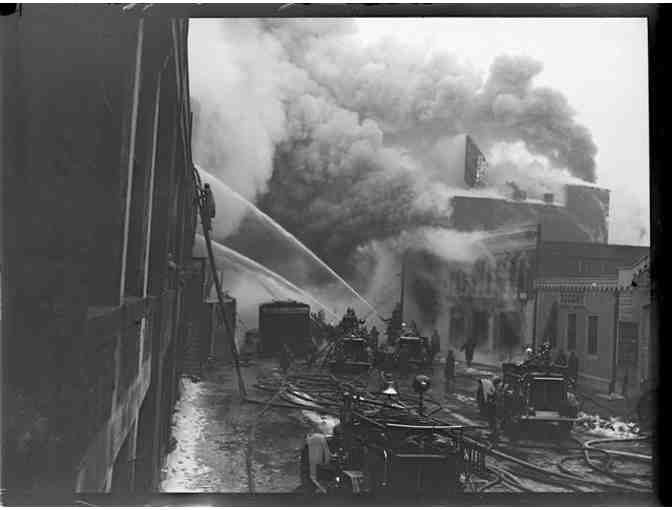
Just five days into the 1934 calendar year, a raging inferno interrupted Tom Yawkey's ambitious offseason renovation of Fenway Park. Though steel and concrete stands had been added throughout the ballpark during the winter months of 1933, wooden forms remaining underneath the bleachers provided the kindling for a ferocious, five-hour blaze that quickly spread to surrounding buildings. When the flames were extinguished, the new seating areas down the left-field line and in the center-field bleachers had been destroyed. Though only a portion of the damage was covered by insurance, an undaunted Yawkey redoubled the team's construction efforts, pledging to have the park ready by Opening Day. With a greatly augmented workforce, the club quickly restarted construction and completed the massive reconstruction on time.
When Fenway Park opened to the general public in April 1934, it contained over 7,000 new seats and had a dramatically altered look. In place of the 10-foot embankment known as Duffy's Cliff and the 25-foot high fence above it, the new left-field wall stood 37 feet high and featured baseball's first electronically operated scoreboard. The grandstand was extended down the left-field line, replacing the space once occupied by the wooden bleachers that had burnt down in 1926.
Yawkey also renovated the right-field seating area, creating a pavilion with bench seating. He added new seats near the field, moving home plate forward in the process. The renovations reduced home run distances to all fields (from 320 feet to 312 in left; 468 feet to 420 in center; and 358 feet to 334 in right) and the distance to the backstop was shortened from 68 feet to 60. The ballpark also received a "Dartmouth Green" paint job throughout, taking on the characteristic color it is known for today.
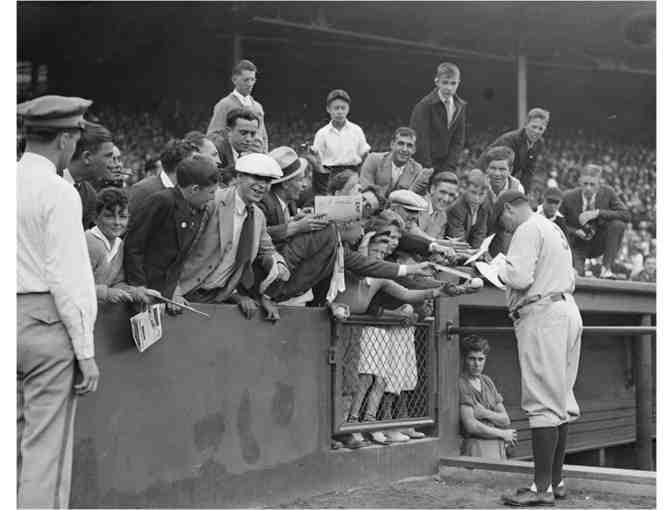
On April 17, 1934, an Opening Day crowd of nearly 33,000 packed into the reconstructed Fenway Park. Yawkey had spent over a million Depression-era dollars to transform Fenway Park and he was widely praised in Boston because his work was performed by union labor. Fenway Park's reconstruction was the second-largest contracting project in Depression-era Boston after the Mystic-Tobin Bridge.
Donated By:


Charles Sumner Elementary School stores data...
Your support matters, so Charles Sumner Elementary School would like to use your information to keep in touch about things that may matter to you. If you choose to hear from Charles Sumner Elementary School, we may contact you in the future about our ongoing efforts.
Your privacy is important to us, so Charles Sumner Elementary School will keep your personal data secure and Charles Sumner Elementary School will not use it for marketing communications which you have not agreed to receive. At any time, you may withdraw consent by emailing Privacy@frontstream.com or by contacting our Privacy Officer. Please see our Privacy Policy found here PrivacyPolicy.